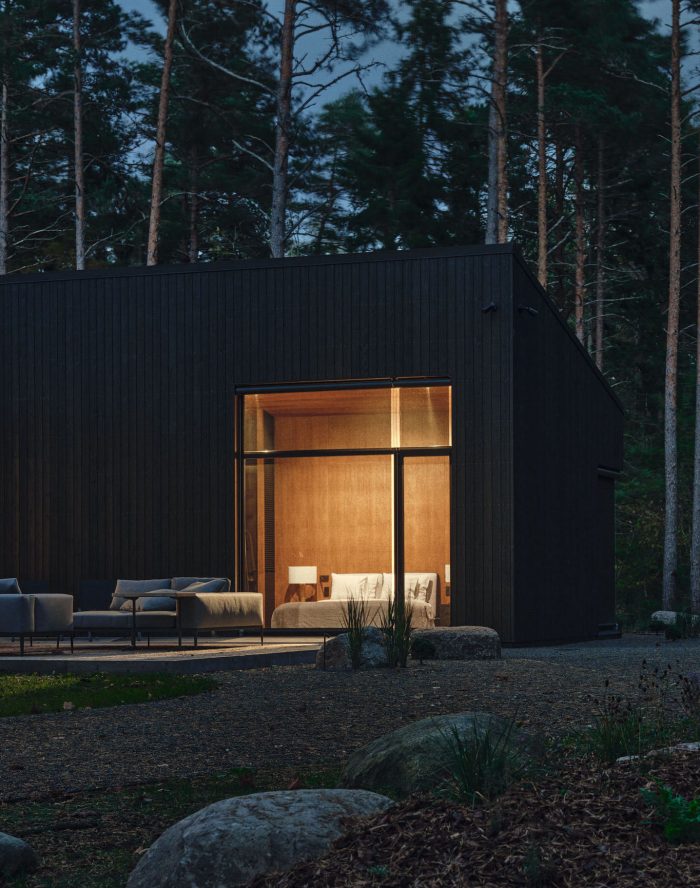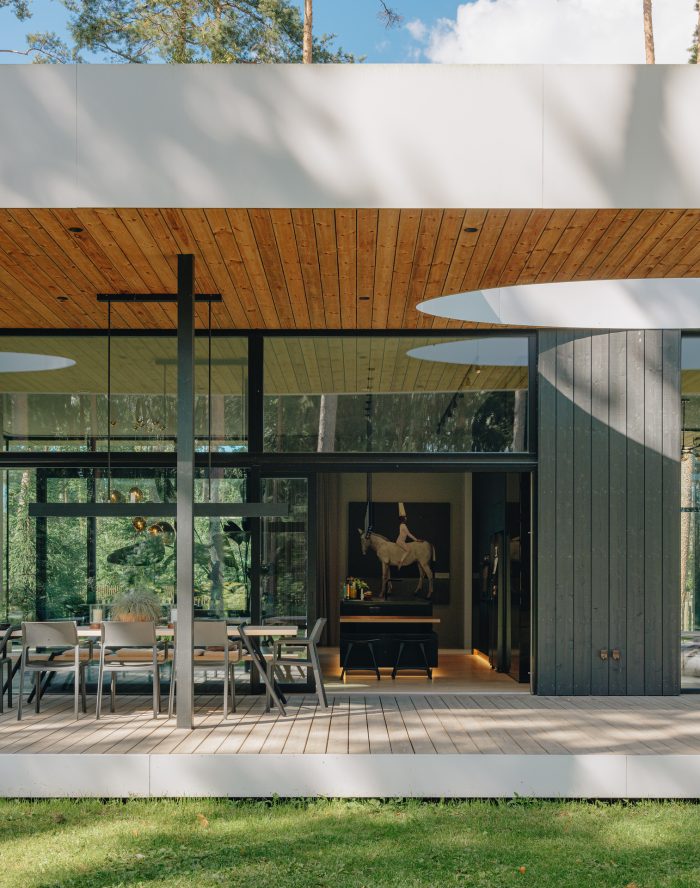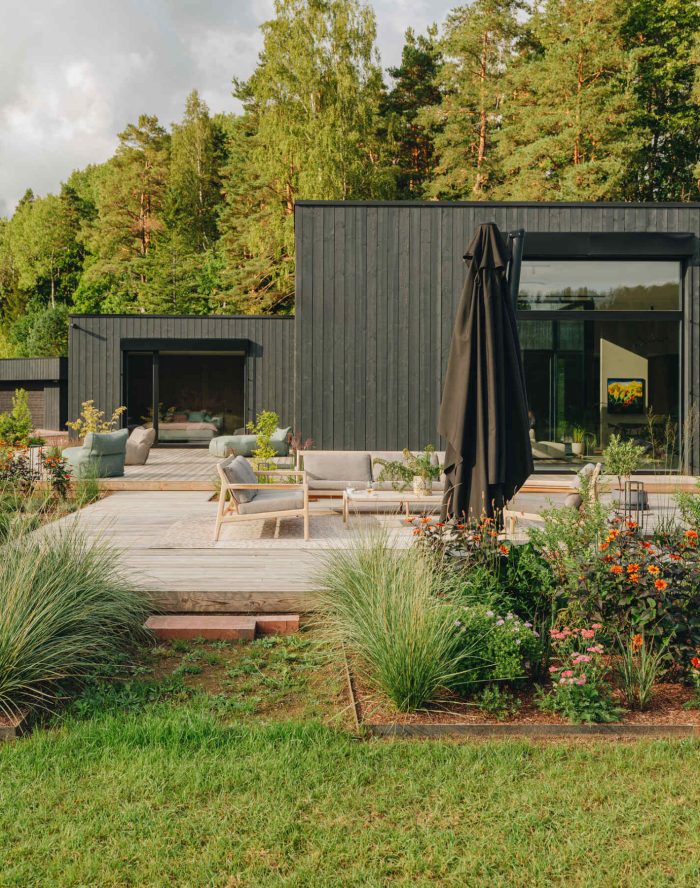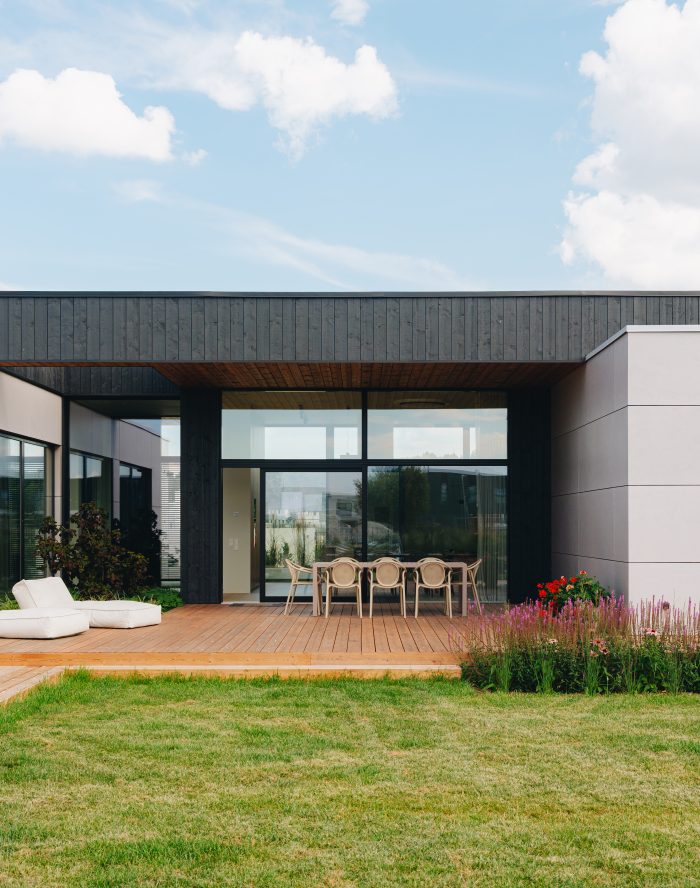

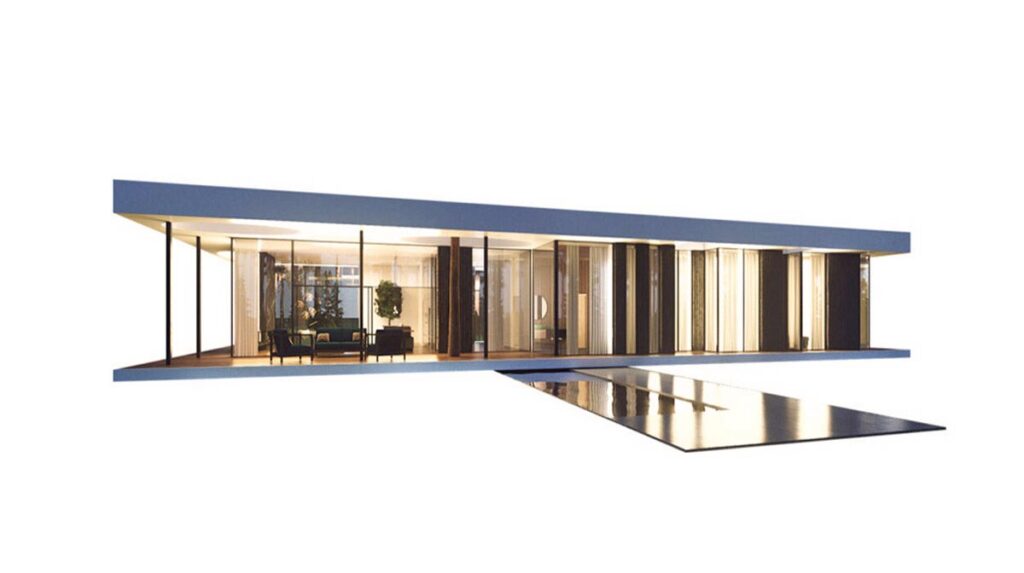
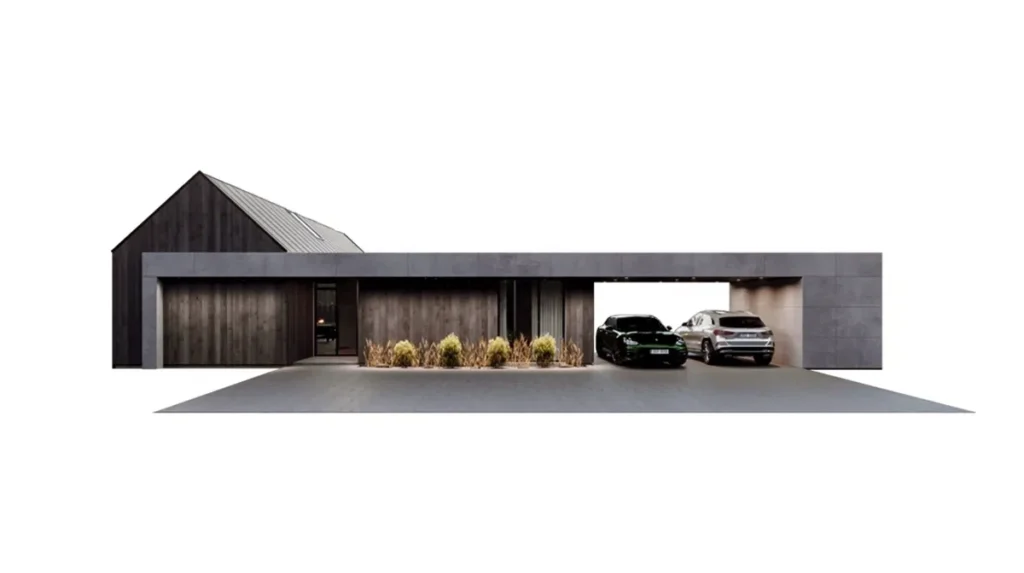
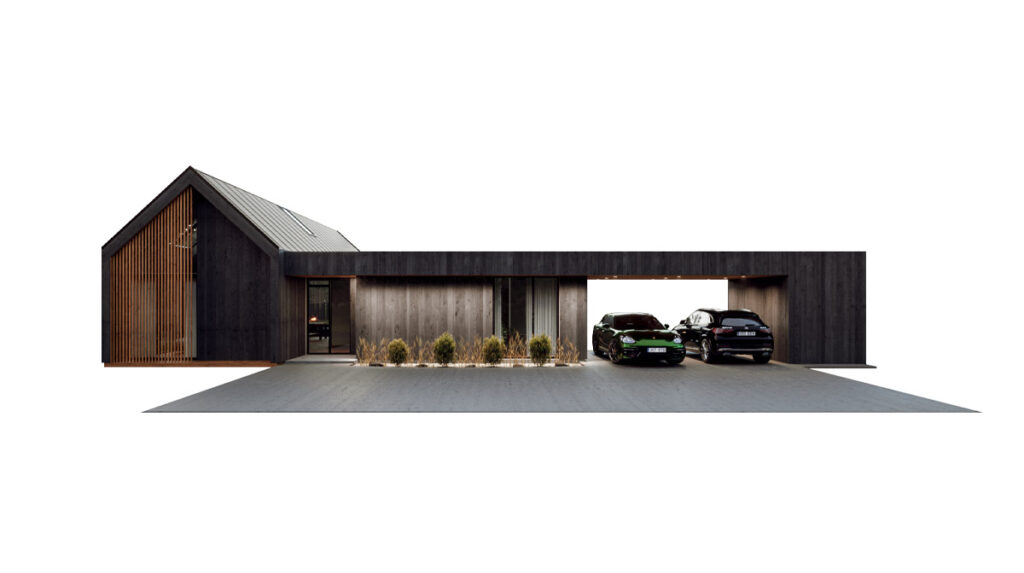


A good home starts with a good plot. A good plot for a house is not just a beautiful location. The house can be adapted a great deal during design, but the shape of the plot, the access, the points of the compass, the views and the neighbours cannot be changed later.
That is why, when you look at a plot, it is worth thinking on two levels at once: can the house you want be built there, and how good a home and garden can really take shape there.
A good plot for a house: look at the plot together with a possible house
The area of a plot alone does not say very much. Plots of the same size can offer completely different possibilities because of their shape.
A long and narrow plot may call for a very different house than a plot with a wider street frontage. It is also worth thinking about where parking, a terrace, a more private garden, landscaping and, if needed, an outbuilding or a sauna have to fit besides the house.
A good starting point is to imagine, before buying a plot, in which part of it the house could stand and in which direction the main living space and the garden could open.
The direction of access affects the whole layout of the house
What matters is not only whether you can reach the plot by car, but also from which direction the access comes.
Ideally, the house can be placed so that the street, the driveway and parking stay on one side and the more private terrace and garden on the other. If the access, the best view and the evening sun all fall on the same side, the architecture has to find a good balance between openness and privacy.
So already when looking at a plot, it is worth thinking about how you arrive home, where the cars go, where the living room opens and where you would actually like to sit on a summer evening.
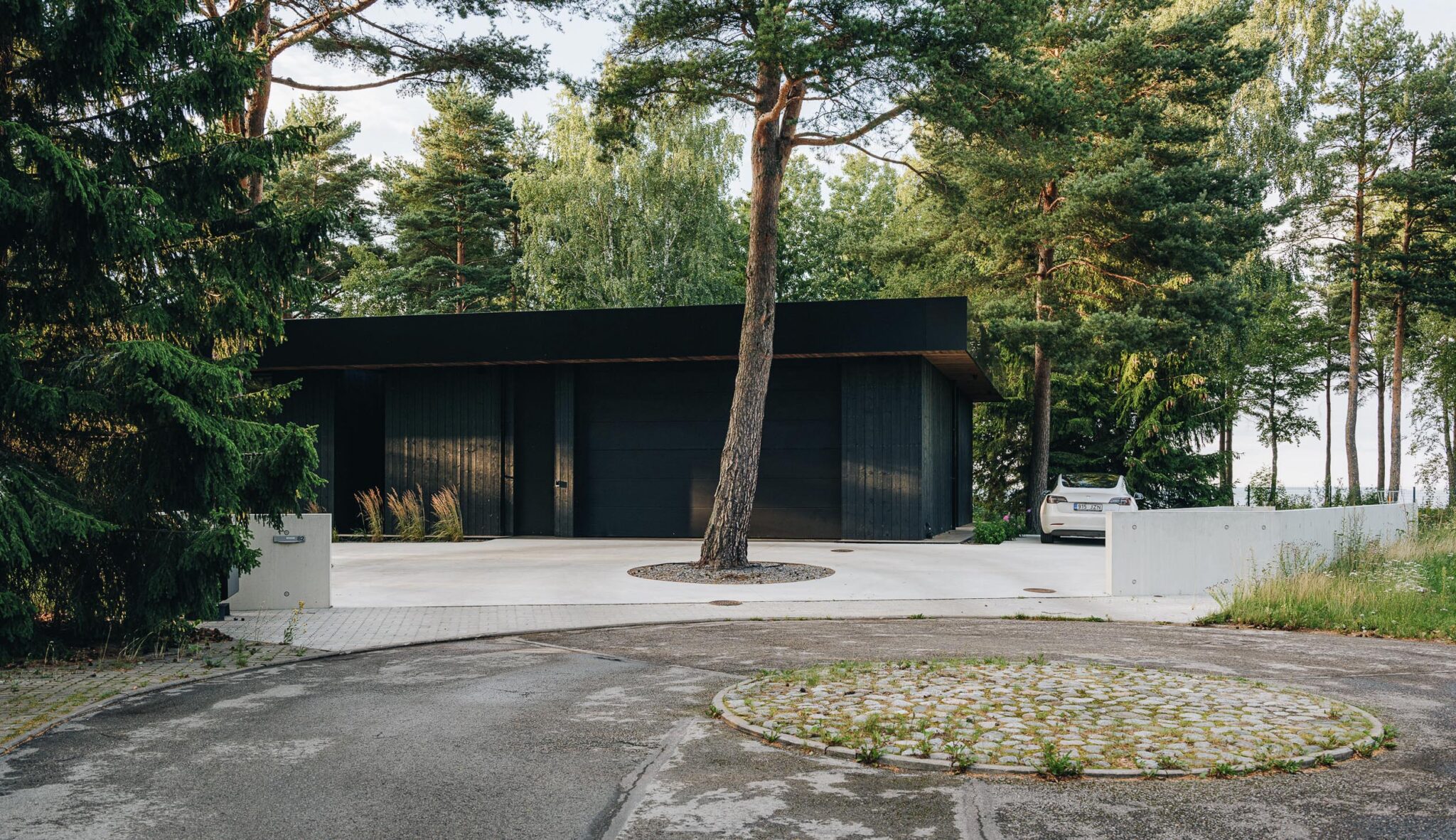
When it comes to sun, think about when you actually use the garden
People talk a lot about south-facing plots, but for a home the most important thing is not always the greatest possible openness exactly to the south.
In the Estonian climate, the terrace and the garden are often used most in the afternoon and evening, when the working day is over and the family is at home. That is why good west or south-west evening sun can be especially valuable.
A good plot lets you place the house so that the more private garden, the terrace and the main living spaces get sun at the right time of day. At the same time you have to consider overheating, large glazed areas and the shade cast by neighbouring buildings and tall trees.
Views and privacy matter as much as orientation
A beautiful view can be the greatest asset of a plot, but it is always worth looking in the opposite direction too: who is looking at you?
If the best view opens towards the street or a future neighbouring house, large glazed areas may need more careful thought. It is also worth checking whether an empty neighbouring plot could be built on in the future.
The layout of the house can be adapted to the views – for example by turning the living room to one side and the more private rooms to the other – but a good plot gives you more freedom to do so.
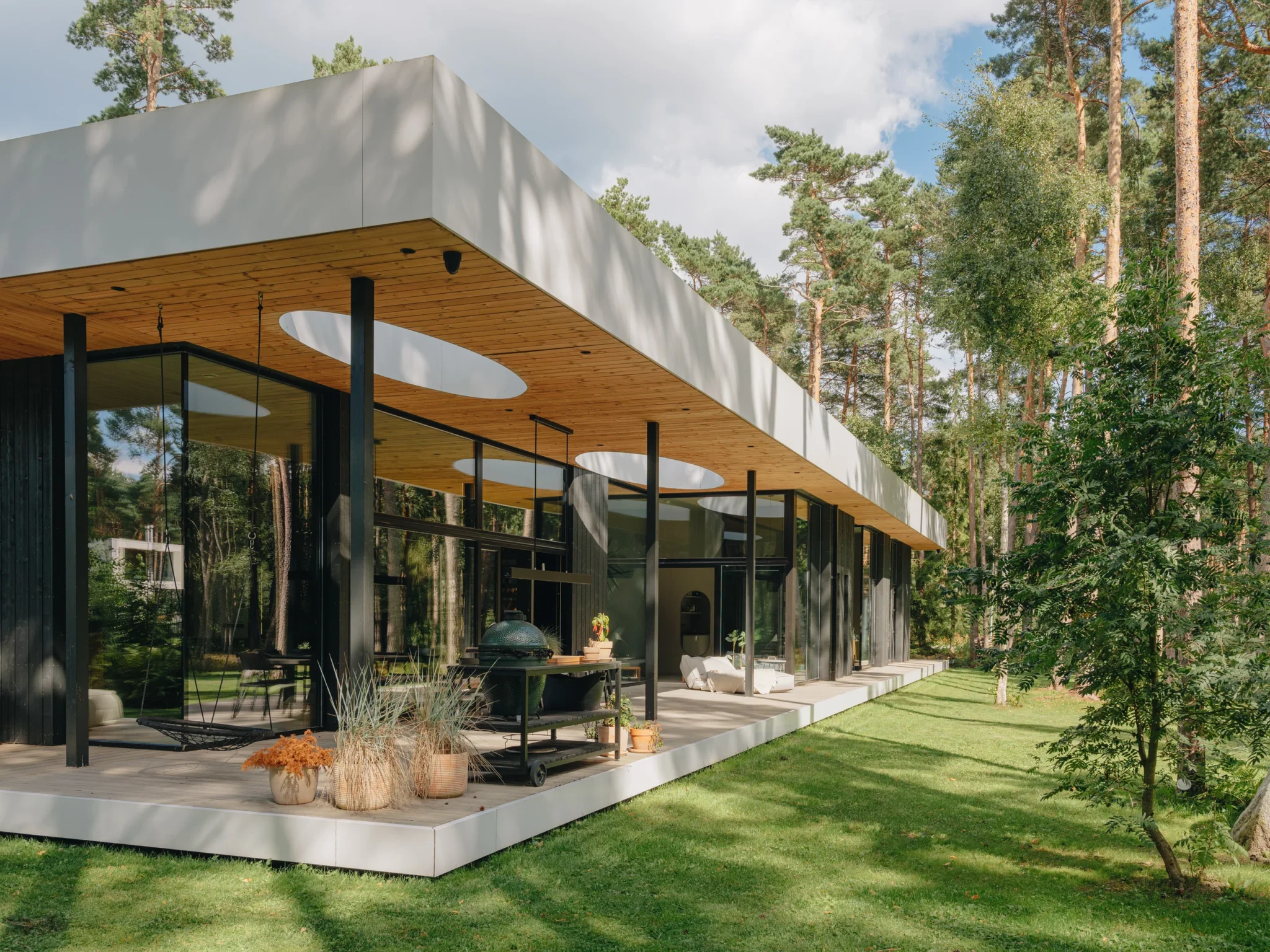
Look at the neighbourhood too, not just the boundaries of the plot
If possible, visit the plot at different times of day and on different days of the week. Traffic, aircraft noise, a nearby business, a school or a busier neighbourhood may not show in the photos of the listing at all.
It is also worth looking at what may happen in the area in the future. A new road, a larger development or an empty neighbouring plot can affect the views, noise and privacy.
For everyday life, schools, kindergartens, public transport, shops and winter access also matter. A plot may be very beautiful, but a good place to live also has to work on an ordinary Tuesday in November.
What are you allowed to build there?
Besides looking at a plot with your heart, it is important to understand what building rights the plot actually has.
These can be based on a valid detailed plan or on design conditions. Among other things, they set the building area, the permitted footprint, the number of buildings, the height, the number of storeys, the roof pitch, the access, the utility networks and various restrictions.
This means that even a plot with a very good location and a suitable size may not allow exactly the house you first had in mind. For example, a pitched roof may be required, the footprint may be limited or only one storey may be allowed.
If the plot has a valid detailed plan, the house to be designed must generally follow its conditions. If there is no detailed plan, depending on the area, design conditions may be enough or a detailed plan may have to be drawn up. The latter can extend the schedule of building the house considerably.
Neighbouring houses often give a first hint of the character of the area as well. If the whole street has, for example, pitched roofs and fairly uniform buildings, you should not automatically assume that a completely different house can be designed there without restrictions.
At the same time, the client does not have to gather this information from different registers and plans on their own. Before design begins, the Happy Home architect reviews the existing building rights, the detailed plan or design conditions, the register data and the main restrictions, and assesses which house realistically fits there.
Soil, levels and water can change the real price of a plot
A beautiful and affordable plot can turn out to be expensive if it needs a lot of fill, drainage, retaining walls or a more complex foundation solution.
Pay attention to the levels and slope of the plot and to where rainwater flows. A lower plot or one that collects water, a high groundwater level or more difficult soil can increase the amount of preparatory work before construction.
If there is not enough information about the soil of the plot, a geotechnical survey may be needed before the final design.
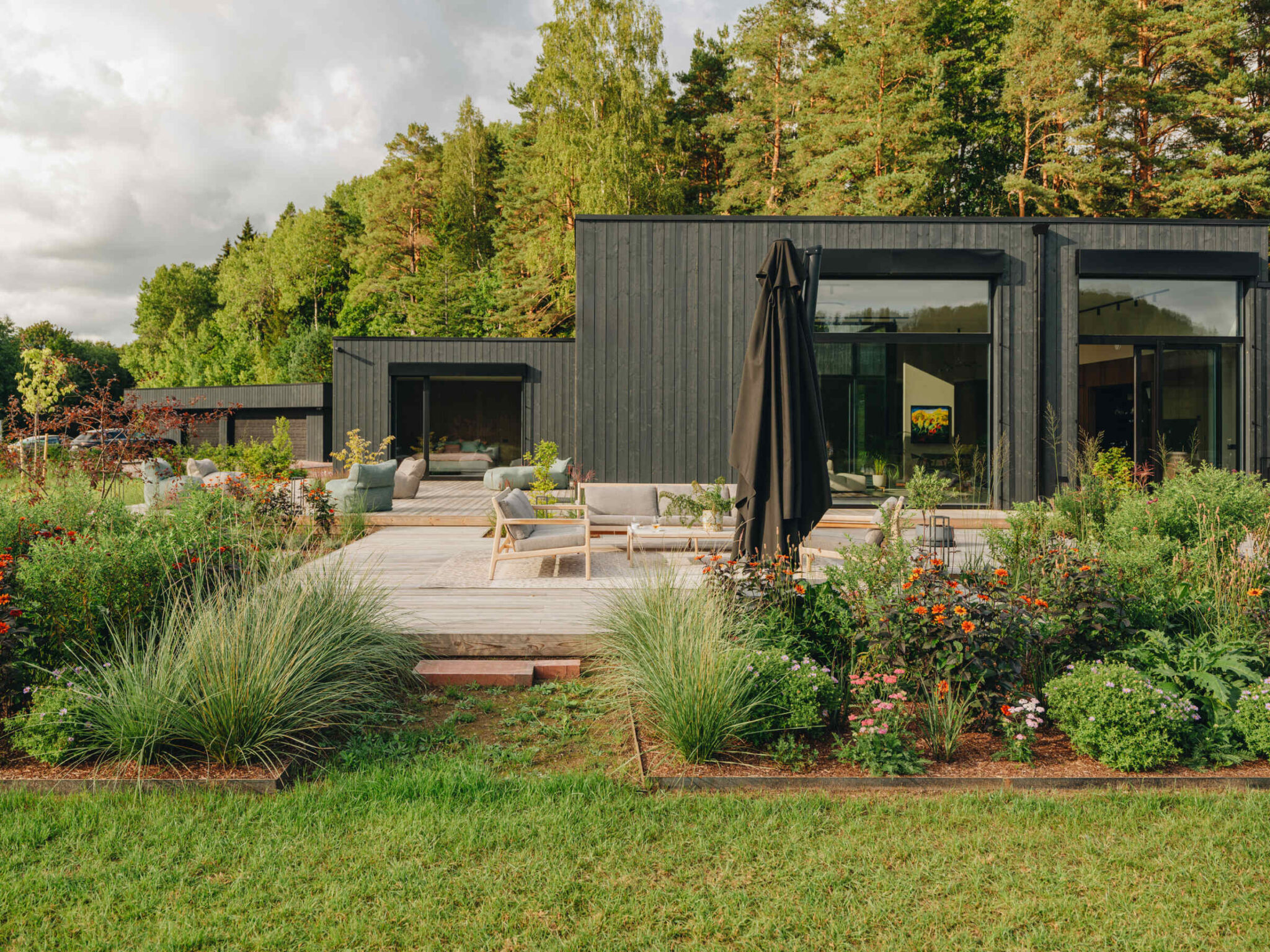
Check the utilities and the access
The phrase “utilities available” in a listing can mean very different things. It is important to know where the actual connection points for electricity, water and sewage are and what costs connecting to them involves.
The plot must also be accessible not only for everyday use but also for building the house. With CLT elements, trucks and a crane need reasonable access to the plot. A narrow road or difficult access does not necessarily mean that the plot is unsuitable, but it can affect the logistics and the cost of construction.
Restrictions can make a seemingly large plot quite small
Protection zones of power lines and utility networks, servitudes, road protection zones or other restrictions can determine where the house can be placed at all.
When buying a plot, you do not have to be able to read all the necessary information from the Building Register, the plans and the various maps yourself. Before design begins, we check the documentation of the plot, the building rights and the important restrictions, and look at how they affect the possible position and design of the house.
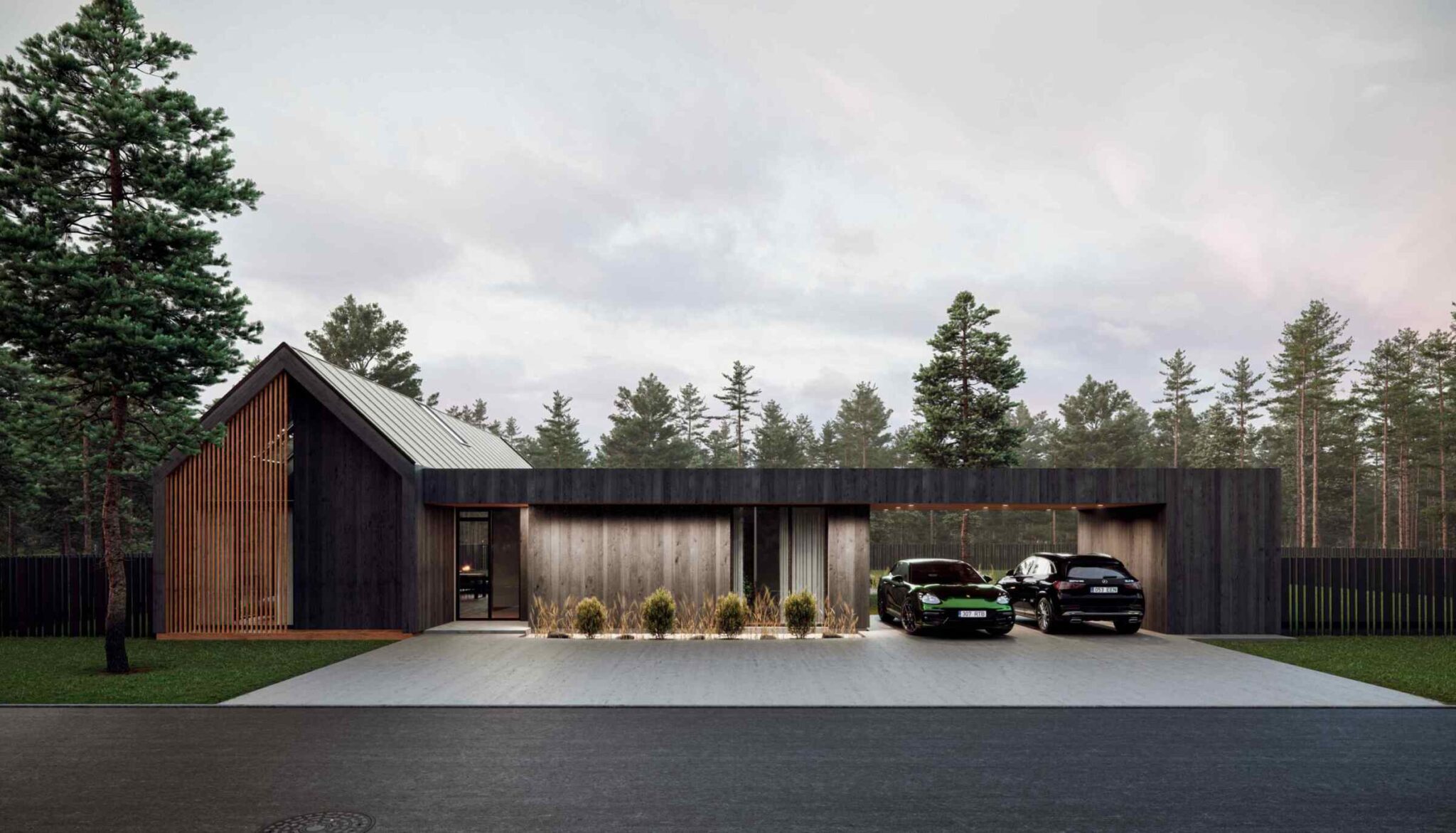
A cheaper plot does not necessarily mean a lower total cost
The purchase price of a plot is only one part of the cost. Building the utilities, the road, drainage, earthworks, surveys, demolition or an additional planning process can make the final cost of two plots with very different prices at first quite similar.
That is why, before buying a plot, it is worth assessing it together with the possible house and construction, not as a separate property.
We can help even before you buy a plot
You do not need to own a plot yet to start planning a house with us. If you have several potential plots in mind, we can help compare them from the point of view of the house.
For example, we can test different Happy Home house designs in the size the client wants on the chosen plots and take a quick look at how they fit, which way they face, where a more private garden forms and how the house could best be placed on the plot.
Often such a first comparison already shows that a longer and narrower house suits one plot better and a more compact or wider layout suits another. You can also judge which side the living spaces and the terrace should face, how to make better use of the evening or midday sun and how the house relates to the access, the views and the neighbouring plots.
This way the client does not have to choose a plot only on the basis of location, price and gut feeling. Already before buying, you get a fairly good first picture of which plot for a house best supports the home and way of life you want.